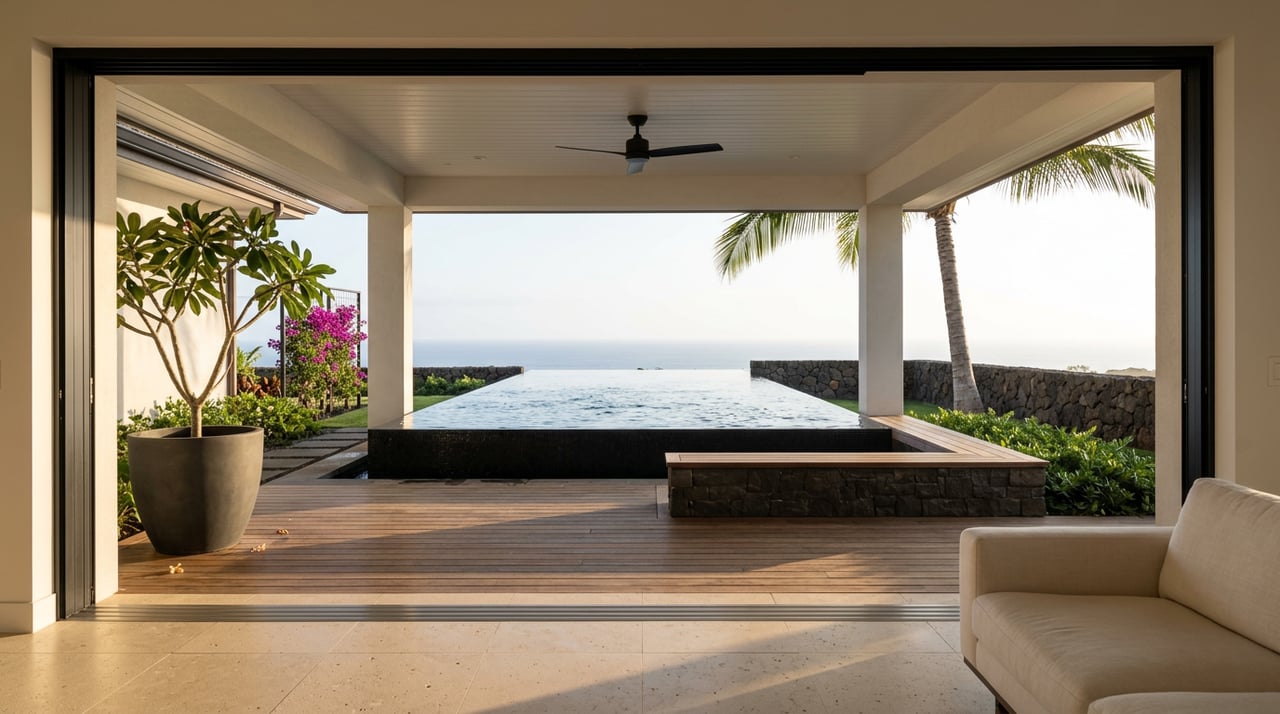
Imagine ending each day with a golden Kona sunset from your lanai, the water turning from cobalt to copper as a soft trade wind moves through the palms. If you are dreaming about an oceanview home in Kailua-Kona, you want to know more than specs and photos. You want to understand the rhythms, microclimates, daily routines, and the practical trade-offs that come with living by the sea. In this guide, you will get a clear picture of what life actually feels like in Kona’s oceanview homes, plus the key checks to make before you buy. Let’s dive in.
Climate and microclimates
Kailua-Kona’s coastal band is warm and relatively dry. Typical year-round numbers show daytime highs in the low to mid 80s Fahrenheit, with nighttime lows in the upper 60s to low 70s. Rainfall is lower along the central coastal strip than on the island’s windward side, which is a big reason many buyers choose Kona for sunny days and sunset views. You can review typical patterns in the local climate data from Weatherspark’s Kailua-Kona profile.
Most afternoons bring a light to moderate breeze. The dominant trade-wind pattern provides natural ventilation that many homes are designed to capture with wide openings and deep lanais. On occasion, a seasonal “Kona low” shifts winds and brings wetter weather to the leeward side. The National Weather Service explains how these patterns work in its trade wind overview.
Elevation changes the feel quickly. Just a short drive upslope into the Kona coffee belt brings cooler air, more greenery, and soft morning cloud cover. Many hillside properties balance big ocean views with a slightly cooler yard and more privacy. For an overview of how elevation and neighborhood character play together in West Hawai‘i, see this Hawai‘i Life neighborhood guide.
A day in two microclimates
- Sunset by the water: Picture an evening on Ali‘i Drive, where a west-facing lanai soaks in sky-fire sunsets and you can stroll to dinner after the last light. It is warm, breezy, and social.
- Morning in the coffee belt: Now imagine an early cup on a Holualoa porch, the air a few degrees cooler, with ocean views framed by ʻohiʻa and coffee trees. It is quiet, green, and unrushed.
Oceanview areas to know
Kailua-Kona offers a range of oceanview settings. Each has a distinct pace and practical trade-offs.
Ali‘i Drive and Kailua Village
- Feel: Walkable and lively, with restaurants, cafés, galleries, and small beach pockets along the coastline.
- Home types: Oceanview condos and smaller-lot homes with immediate access to the pier and evening spots.
- Trade-offs: Visitor activity and seasonal traffic are part of daily life in exchange for convenience and energy.
Keauhou and south Kona edge
- Feel: A residential and resort mix with access to water activities like snorkeling and kayaking, plus services.
- Home types: Resort-style condos and subdivisions with ocean views and community amenities.
- Trade-offs: Quieter than downtown with more space, but still within easy reach of dining and errands.
Holualoa and the coffee belt
- Feel: Artistic, rural-residential, and private, set on slopes above Kona with sweeping ocean vistas.
- Home types: Larger lots, custom homes, and small farms where cooler temps and greenery are part of the lifestyle.
- Trade-offs: A longer drive to grocery stores and Ali‘i Drive nightlife, balanced by privacy and space.
Private golf and club communities
- Feel: Managed amenities, privacy, and resort-level services. Examples on the Kona coast include Kohanaiki, while Hōkūli‘a sits a short drive south with expansive ocean views and custom homesites.
- Home types: Luxury residences and build-ready parcels oriented to view corridors, indoor-outdoor living, and club amenities.
- Trade-offs: Membership structures and architectural guidelines that support a refined, consistent environment.
Practical distance note: Kona International Airport to central Kailua-Kona is commonly a 15 to 25 minute drive depending on traffic, which keeps neighbor-island and mainland travel relatively convenient. See typical timing on this airport-to-Kona route overview.
Daily routines and where you will go
Oceanview living in Kona blends water access, small beaches, and a lava-rock coastline. Your routines often tilt outdoors.
Weekday flow
- Morning light on the lanai before work. Natural airflow makes many homes comfortable with windows and doors open.
- Quick errands in town or at nearby centers for groceries, pharmacy needs, and casual lunches.
- Sunset reset after the day, either at home or with a short drive to catch the sky from a favorite overlook.
Weekend rituals
- Early snorkeling at Kahaluʻu, a local favorite with gentle entries and reef life when conditions allow. Learn what to expect at Kahaluʻu Beach Park.
- Midday pause at home or a shaded park along the Old Kona Airport area.
- Evening stroll along the coastal strip for shave ice or dinner with a water view.
Essentials nearby
- Beach parks: Hawai‘i County maintains public shoreline parks and facilities. Review options and amenities via the parks directory.
- Groceries and services: Central Kailua-Kona offers everyday shopping and pharmacies around Lanihau and Palani.
- Health care: Kona Community Hospital serves West Hawai‘i and is expanding specialty services, including an upgraded cancer center. For complex care, some residents travel to Oʻahu or the mainland.
Homes and design details that matter
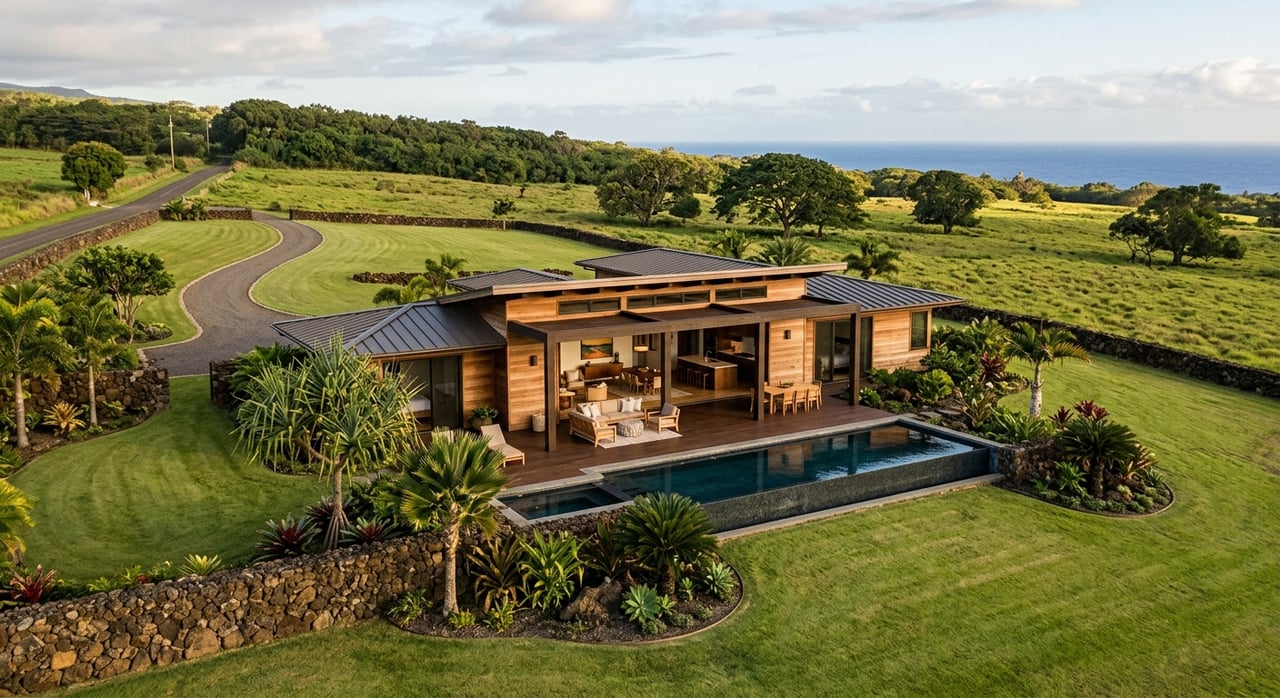
Oceanview homes here are built around indoor-outdoor flow and orientation to the water.
Features you will notice
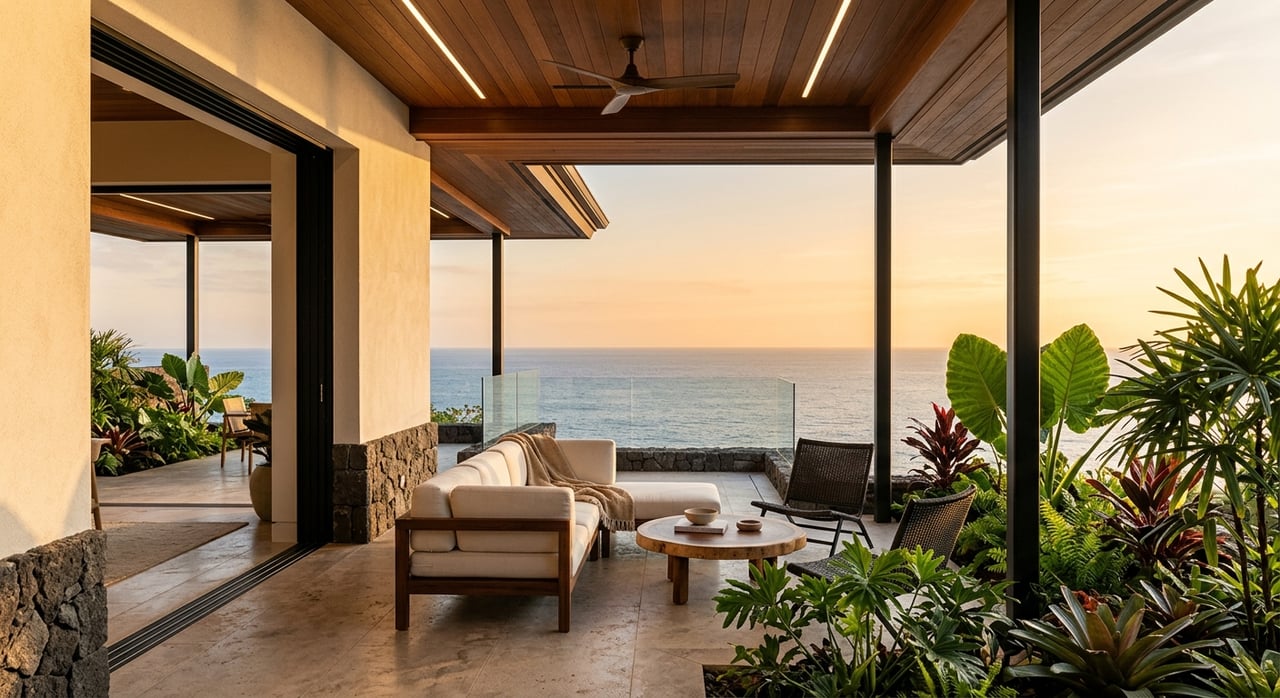
- Large lanais sized for dining, lounging, and sunset viewing.
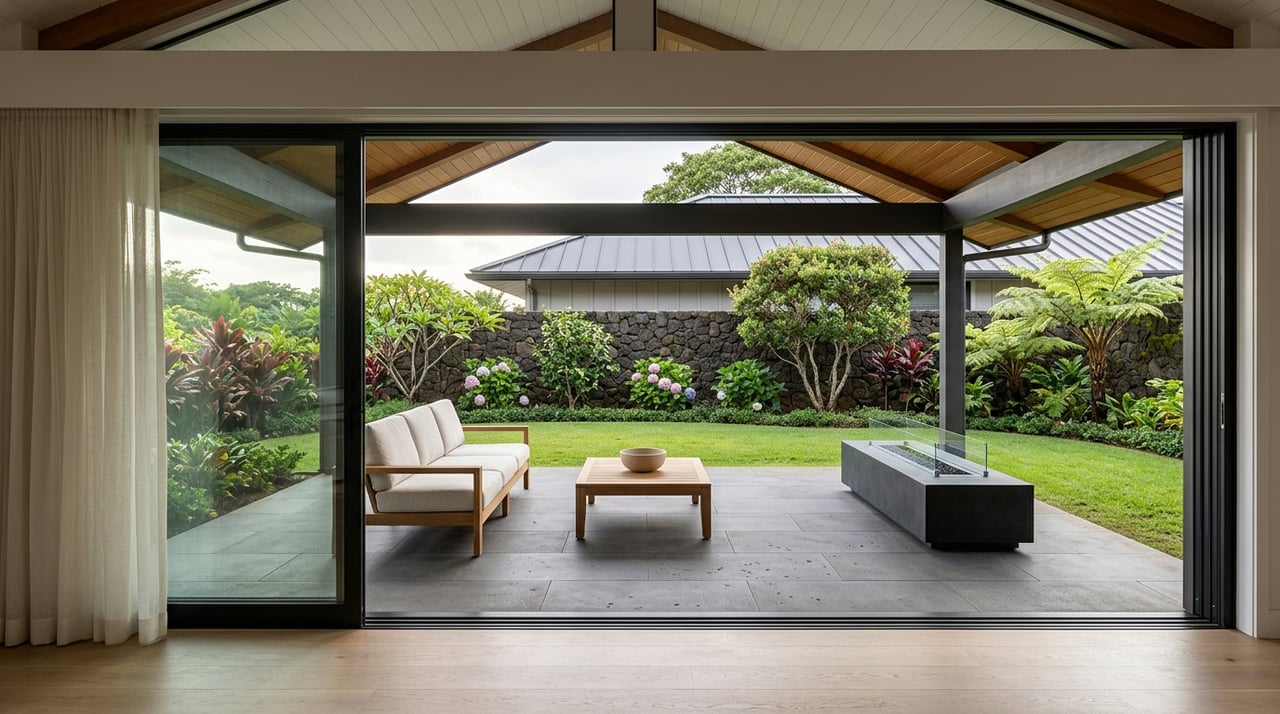
- Pocketing or stacking glass doors that open the great room to the lanai.
- Primary suites and common areas aligned to frame the ocean.
- Outdoor showers and gear-rinse stations for beach days.
- Condo communities with shared pools, sun decks, and grills.
For examples of how view orientation and microclimate shape properties across West Hawai‘i, explore this Hawai‘i Life lifestyle primer.
Materials and maintenance
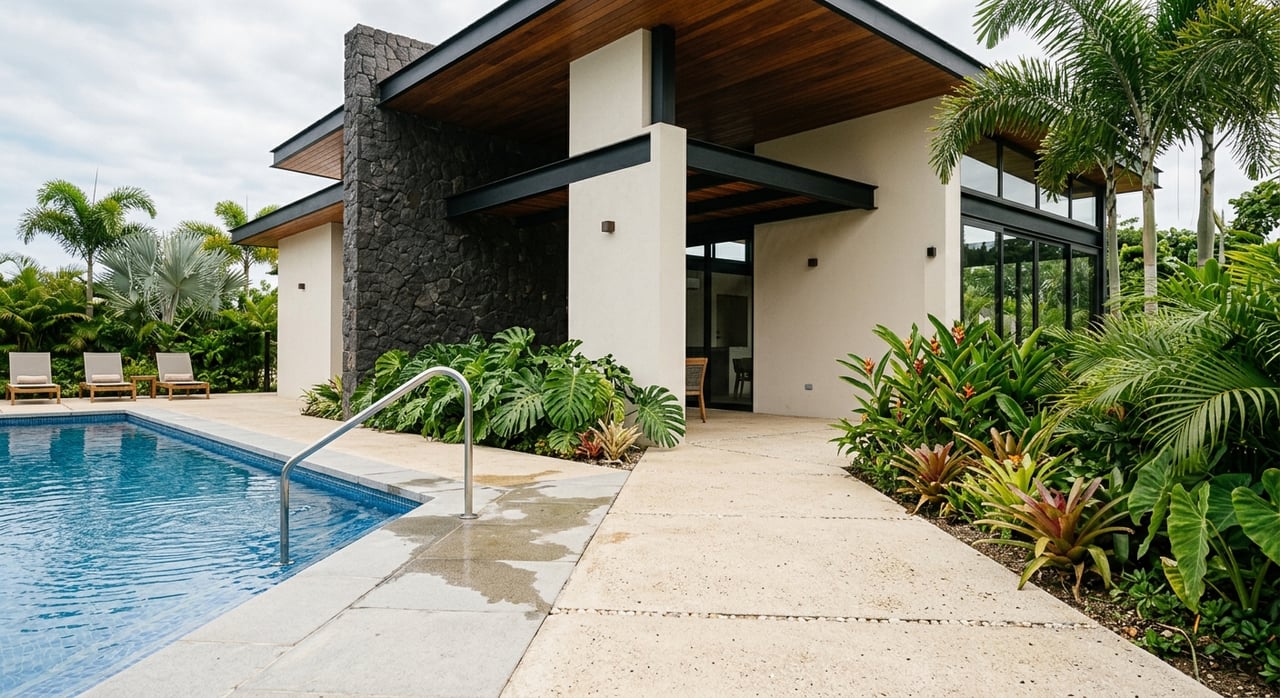
Salt air is beautiful and tough on homes. Metal fasteners, exterior hardware, railings, and HVAC condensers can corrode more quickly near the sea. Federal coastal guidance recommends corrosion-resistant connectors, stainless fixtures, protective coatings, and planned rinse cycles for exterior equipment. If you are comparing homes, it helps to ask about the age and care history of these systems. See the practical strategies outlined in the FEMA Coastal Construction Manual, summarized here via a readable PDF copy.
A simple coastal maintenance rhythm might include:
- Quarterly rinse of exterior metal and HVAC condensers.
- Annual or semiannual checks of caulking, sealants, and exterior paint.
- Periodic hardware upgrades to marine-grade stainless.
- Regular lanai and railing inspections to catch issues early.
A quick buyer checklist
Before you fall in love with a view, ask for:
- Roof age and material, plus any recent repairs or coatings.
- Exterior paint and sealant history, including dates and products.
- HVAC service records for condensers and air handlers.
- Lanai, railing, and exterior hardware condition with notes on material grades.
- Any permits for additions or outdoor structures.
Hazard and regulatory checks
West Hawai‘i has unique natural and regulatory factors. A little due diligence goes a long way.
Lava hazard zones
The U.S. Geological Survey maps Hawai‘i Island into lava hazard zones that influence insurance and lending. Always confirm a property’s zone before offering, especially if you are financing. Start with the USGS lava hazard zone overview, then confirm details for the specific address with your agent and insurer.
Tsunami and coastal inundation
Low-lying coastal parcels may sit inside tsunami evacuation areas. This matters for safety planning, insurance, and resale. Check any address against state and county resources using the HIEMA tsunami information hub, and ask your agent for the most current local maps and guidance.
Flood, erosion, and shoreline questions
For oceanfront or near-shore homes, flood zones and long-term shoreline change deserve attention. Your agent can help you review federal flood maps and Hawai‘i County shoreline guidance, and direct you to the appropriate county or state office for permits and seawall or revetment questions.
Insurance and lending
In certain lava hazard zones or low-lying coastal areas, private insurance options may be limited and lenders may have added requirements. Get clarity early by speaking with both a local lender and an insurer during your discovery phase so you understand costs and timelines.
Living trade-offs to plan for
Every lifestyle gain has a practical counterweight. Here are common trade-offs to budget and plan for in Kona’s oceanview homes:
- Salt-air wear: Increased maintenance of exterior metals, finishes, and HVAC.
- Visitor energy: In-town convenience comes with seasonal activity and traffic.
- Drive-time balance: Hillside coolness and privacy add minutes to beach and errands.
- Hazard planning: Evacuation maps, flood zones, and lava hazard lookups become part of the owner’s due diligence.
Smart next steps
If Kona oceanview living fits your vision, set yourself up for a confident purchase.
- Verify key maps for any address: USGS lava zone and HIEMA tsunami evacuation. Use the USGS overview and the HIEMA tsunami resource as starting points.
- Review coastal maintenance expectations and budget. Skim the FEMA coastal manual summary for helpful principles.
- Walk the routine: Visit a beach like Kahaluʻu early, drive Ali‘i Drive at sunset, and time your trips to groceries and the airport using typical KOA-to-Kona timing.
- Confirm rules and records: Short-term rental rules, building permits, HOA or club guidelines, and any architectural standards vary by property. Buyers should confirm these items with a licensed Hawai‘i County agent because rules and numbers change by TMK and address.
- Align design and lifestyle: If you plan a remodel or custom build, evaluate how the home or site frames view corridors and supports indoor-outdoor flow in your preferred microclimate.
When you are ready to explore, you deserve a calm, design-forward process rooted in local knowledge. If you want help matching microclimate, community, and home features with how you live, connect with Leslie Oxley-Friedrich for a thoughtful, detail-driven conversation.
FAQs
What is the weather like for oceanview homes in Kailua-Kona?
- Expect warm, relatively dry conditions with year-round highs in the low to mid 80s and nights in the upper 60s to low 70s, plus breezy afternoons that support indoor-outdoor living.
How far are Kona’s oceanview neighborhoods from the airport?
- Kona International Airport is commonly a 15 to 25 minute drive to central Kailua-Kona, with timing varying by traffic and exact neighborhood.
What maintenance do Kona oceanview homes typically need?
- Plan for regular rinsing of exterior metals and HVAC condensers, periodic sealing and repainting, and upgrades to marine-grade hardware to manage salt-air exposure.
Which areas offer cooler temperatures with ocean views?
- Hillside communities like Holualoa in the Kona coffee belt provide sweeping views with a few degrees of cooling and more greenery compared with the coastal strip.
What hazard checks should I do before buying in Kona?
- Confirm the property’s USGS lava hazard zone, check tsunami evacuation maps, and review flood or shoreline considerations, then speak with your lender and insurer about implications.