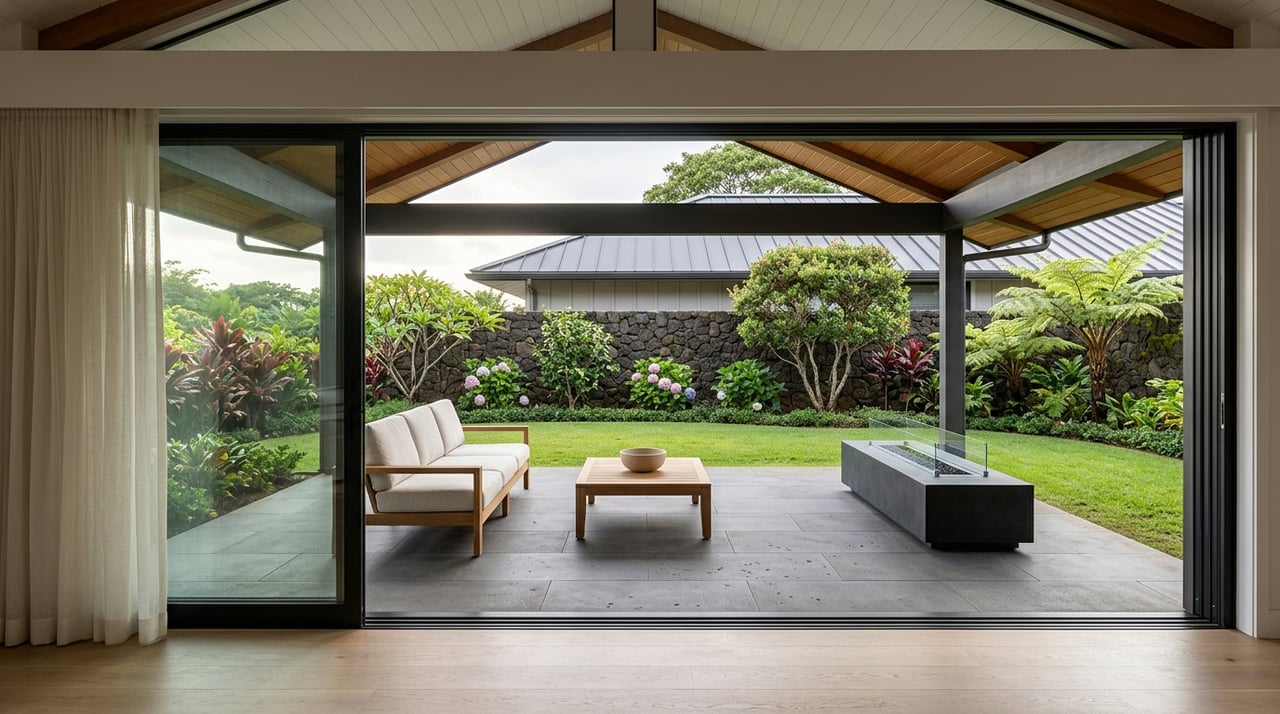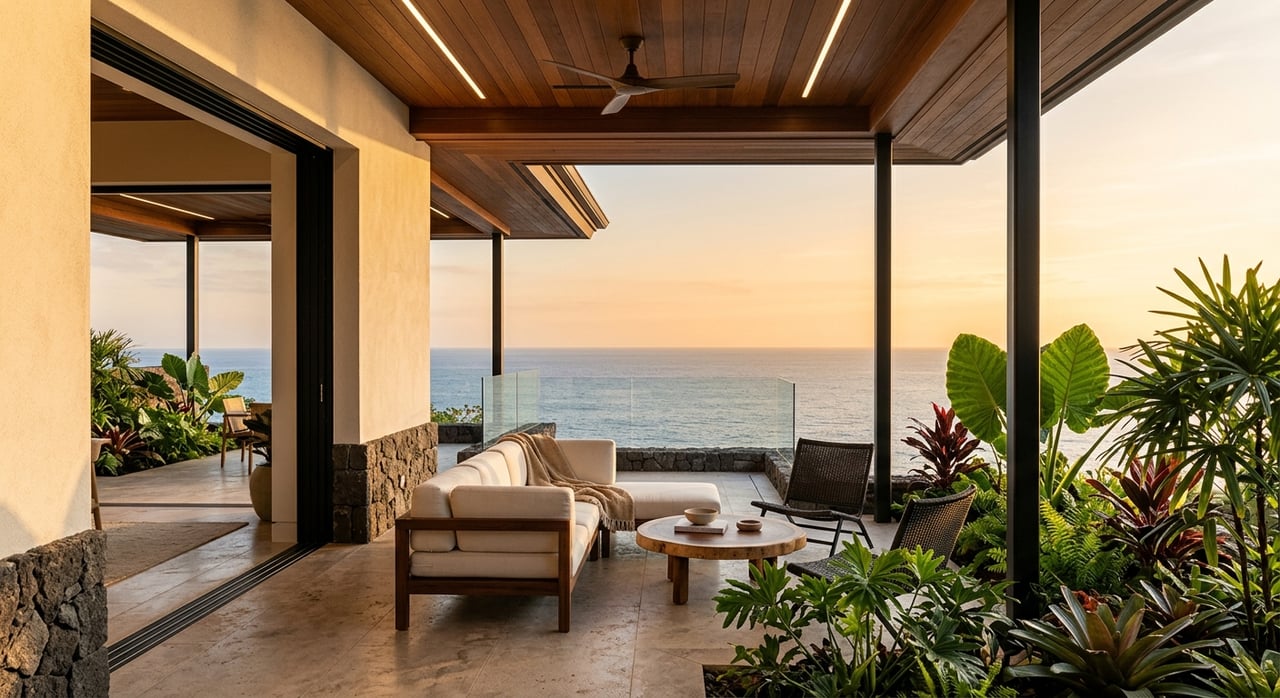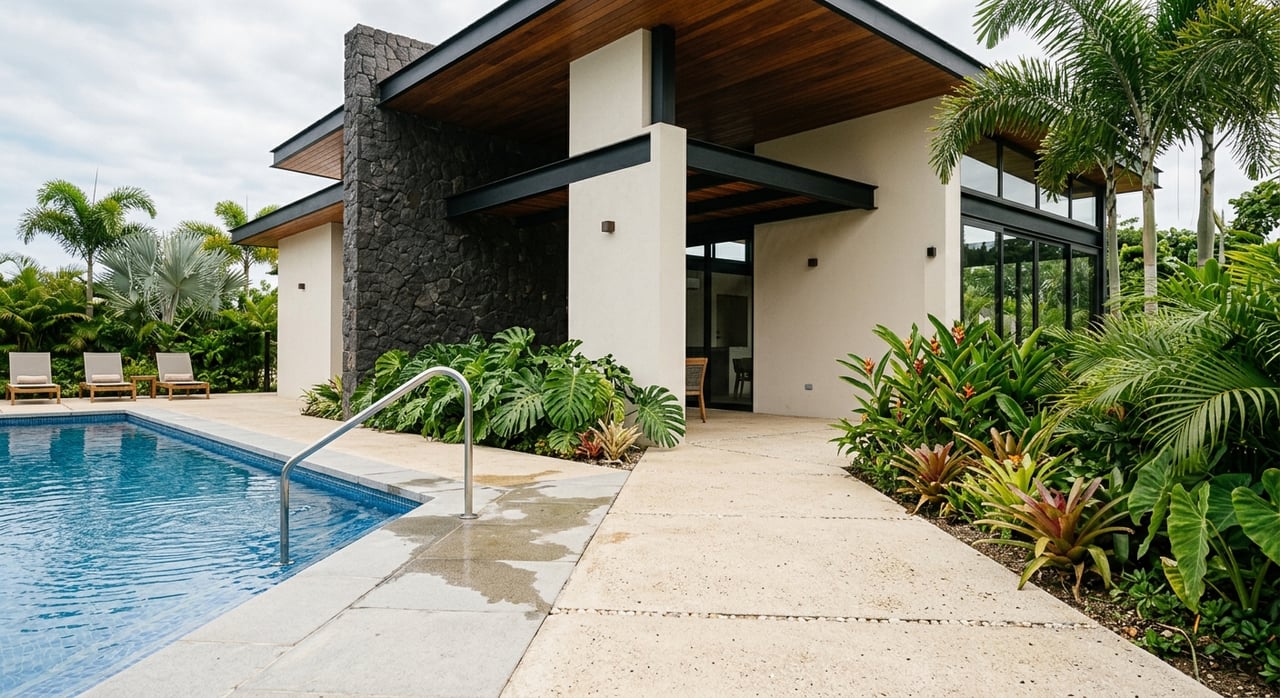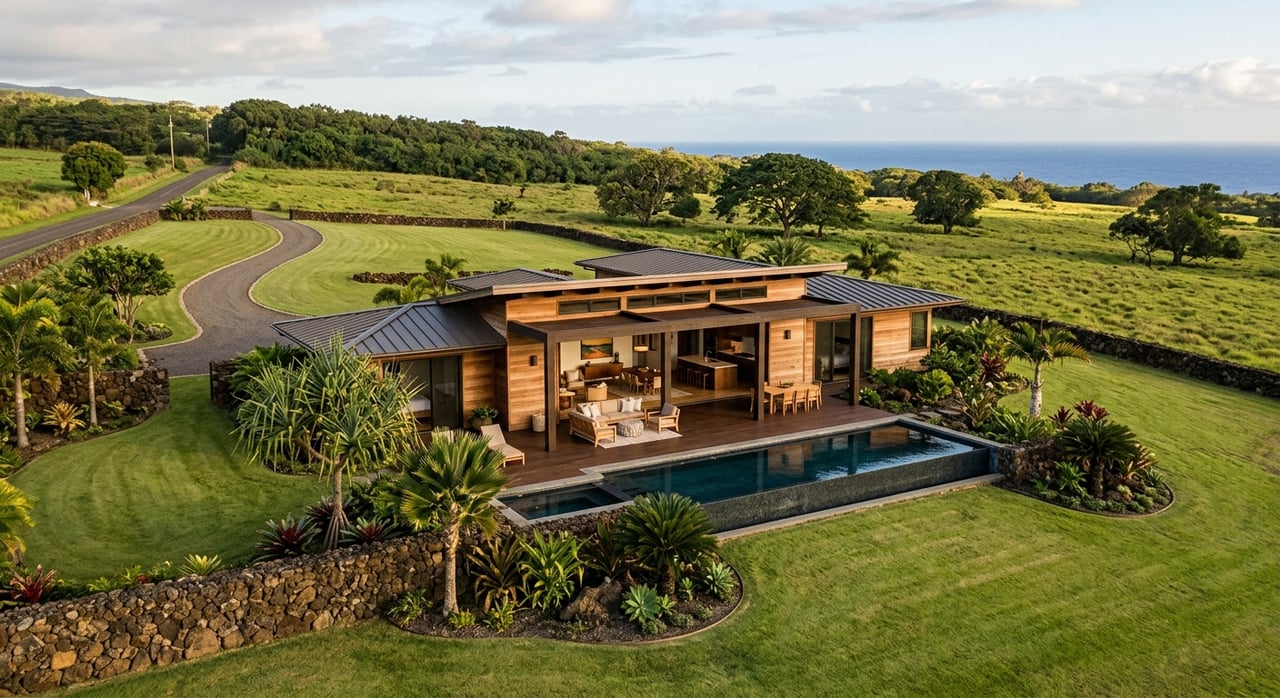
Looking for a place where estate living feels connected to land, views, and a slower daily rhythm? North Kohala offers a very different side of Hawaiʻi Island, one shaped by open space, agricultural roots, dramatic coastline, and two historic town centers that keep everyday life grounded. If you are exploring larger parcels or a retreat-style property, this guide will help you understand why North Kohala stands out and what to keep in mind as you evaluate the area. Let’s dive in.
Why North Kohala Feels Distinct
North Kohala sits on the northwestern tip of Hawaiʻi Island, bordered by South Kohala to the south, Hāmākua to the east, and the ocean to the north and west. According to the County of Hawaiʻi Planning Department, the district’s main population centers are Hāwī and Kapaʻau.
That geography matters because North Kohala does not read like a typical resort corridor or suburban market. Instead, it feels rural, scenic, and deeply tied to the land, with a setting that shifts from coastline to pasture to green uplands over relatively short distances.
For buyers drawn to privacy, acreage, and a more intentional pace, that combination can be especially appealing. It creates an estate lifestyle centered less on density and more on space, stewardship, and long views.
Estate Living Starts With the Land
One of the biggest reasons North Kohala suits estate-style living is its strong planning emphasis on agriculture and open space. The North Kohala Community Development Plan notes that 84.6% of Kohala lands are zoned for agriculture and 80.5% are within the State Agricultural district.
The same plan identifies large portions of the district as Important Agricultural Land and Extensive Agriculture. It also emphasizes preserving open space, agriculture, cultural resources, shoreline areas, and view planes, while directing growth toward existing town centers.
For you as a buyer, that planning framework helps explain why North Kohala often feels open rather than overbuilt. It also supports an estate-lifestyle perspective built around larger parcels, privacy, and respect for the surrounding landscape.
A Different Kind of Luxury
In North Kohala, luxury is often less about density or club-style development and more about breathing room. The appeal can come from acreage, broad views, a quieter setting, and the ability to enjoy Hawaiʻi Island in a way that feels more rooted and personal.
Based on the planning policies in the community development plan, estate living here is best understood through a lens of land stewardship rather than suburban expansion. That distinction is important if you want a property experience that feels calm, private, and connected to place.
Hāwī and Kapaʻau Anchor Daily Life
Even with its rural feel, North Kohala still has recognizable town centers for day-to-day activity. The county’s community profiles identify Hāwī and Kapaʻau as the district’s main population centers, with 2,268 residents in Hāwī and 2,008 in Kapaʻau based on 2020 census-boundary profiles.
These towns help make the district livable without changing its overall character. The community plan encourages commercial activity in these existing cores and discourages strip commercial development outside designated urban areas, which helps preserve the surrounding open landscape.
What Hāwī Offers
The Hawaiʻi Tourism Authority describes Hāwī as a historic small town known for galleries, boutiques, and restaurants. For buyers considering estate property nearby, Hāwī often represents the practical and social heart of the district.
You can think of it as part of North Kohala’s balance. The setting may feel private and expansive, but you are not choosing total isolation.
What Kapaʻau Adds
Kapaʻau is the nearby town known as the home of the original King Kamehameha I statue, according to the county and tourism sources. It adds another layer of local identity and historic context to the district.
Together, Hāwī and Kapaʻau provide a small-town framework that supports daily living while keeping North Kohala from feeling suburbanized. For many buyers, that is part of the area’s long-term appeal.
Scenery Shapes the Lifestyle
North Kohala’s visual character is one of its strongest draws. According to NOAA’s Hawaiʻi climate overview, the islands experience mild temperatures year-round, persistent trade winds, and significant rainfall differences across short distances, with leeward areas tending to be drier.
That helps explain why North Kohala can feel visually varied rather than uniform. You may experience dry coastal stretches, greener uplands, pastureland, and valley scenery all within the same broader district.
For estate buyers, that variety matters. It influences not only what you see from a property, but also how the land may feel and function from one setting to another.
Coast, Pasture, and Valley Contrast
The State of Hawaiʻi Climate Change Portal and regional tourism descriptions support the idea that this is a place of contrast. The broader Kohala drive is often described as shifting from rugged lava fields to scenic pasturelands before reaching Hāwī and Pololū.
That changing landscape is part of what gives larger parcels their special character. A property here may offer a very different experience depending on elevation, orientation, and surrounding terrain, which is why local guidance can be especially valuable during your search.
Cultural and Natural Landmarks Matter Here
North Kohala is not only scenic. It is also culturally significant. The community development plan states that Kohala’s coastline is among the state’s most intact cultural landscapes because of its density of archaeological and cultural sites.
That context adds meaning to the area’s open land and preserved views. It also helps explain why local planning places such a strong emphasis on thoughtful growth and protection of sensitive areas.
Notable Places in North Kohala
Several official sites help illustrate the district’s character:
- Pololū Valley Lookout overlooks green cliffs, a black-sand beach, and the northeastern coastline.
- Lapakahi State Historical Park preserves a partially restored ancient fishing village on the Kohala coast.
- Puʻukoholā Heiau National Historic Site protects one of the island’s most significant historic landscapes.
For buyers, these places are more than attractions. They reflect the sense of history, geography, and continuity that makes North Kohala feel unique on Hawaiʻi Island.
Practical Considerations for Larger Parcels
If you are considering estate property in North Kohala, lifestyle should go hand in hand with practical review. Because this is an agricultural district in both planning language and real-world use, land-use expectations can differ from what buyers may know from more residentially concentrated markets.
The community plan notes that proposed agricultural subdivisions should include an agricultural use and production plan, and that dwellings should be farm dwellings. That does not make every purchase complicated, but it does mean you should evaluate land use, access, and long-term intentions carefully.
Water and Agricultural Context
Water is one of the most important practical topics for larger parcels. In August 2024, the state announced improvements to ʻUpolu Well as an agricultural water resource project after damage to Kohala Ditch in 2021 left North Kohala users without a reliable and economical water source.
For you, that serves as useful background. If you are evaluating acreage or land with agricultural potential, questions around water access, irrigation, and infrastructure should be part of the conversation early.
Questions to Ask When Touring
As you narrow your search, it helps to ask focused questions such as:
- How is the parcel zoned and what uses are expected or allowed?
- What is the water source and what does that mean for current or future use?
- How close is the property to Hāwī or Kapaʻau for everyday needs?
- How do topography, views, and exposure shape the experience of the land?
- What aspects of the surrounding area are protected by local planning priorities?
These are the kinds of details that can shape not just the purchase, but your long-term enjoyment of the property.
Why Buyers Are Drawn to North Kohala
North Kohala tends to appeal to buyers who want more than a home with square footage and a view. By inference from the community development plan and the district’s preserved character, the area is especially attractive to those who value privacy, land, scenery, and a setting suited to retreat-style living or multigenerational gatherings.
It can be a compelling fit if you are looking for Hawaiʻi Island real estate that feels spacious and grounded rather than busy or overly programmed. The experience is often about how the land lives, how the breeze moves through the property, and how close you feel to both open space and local history.
That is also where a design-informed perspective can help. On larger properties, the relationship between topography, orientation, indoor-outdoor flow, and daily livability becomes especially important.
Is North Kohala the Right Fit for You?
If your vision of estate living includes open land, broad scenery, and a strong sense of place, North Kohala deserves a close look. Its appeal comes from a planning culture that protects landscape and agriculture, a setting defined by coastline and pasture and valley views, and small historic town centers that support daily life without turning the district suburban.
For buyers who value privacy and a deeper connection to Hawaiʻi Island’s natural and cultural landscape, that combination is hard to replicate. If you want trusted guidance as you explore larger parcels and lifestyle-driven opportunities on Hawaiʻi Island, Leslie Oxley-Friedrich offers a thoughtful, design-aware approach grounded in local context and Aloha-centered service.
FAQs
What is North Kohala on Hawaiʻi Island known for?
- North Kohala is known for its rural character, agricultural lands, open space, dramatic coastline, cultural landmarks, and the historic town centers of Hāwī and Kapaʻau.
Where are the main towns in North Kohala?
- The main population centers in North Kohala are Hāwī and Kapaʻau, which serve as the district’s primary town centers for day-to-day amenities and community activity.
Why do estate buyers consider North Kohala properties?
- Estate buyers are often drawn to North Kohala for its larger parcels, privacy, scenic variety, preserved open space, and a lifestyle that feels more retreat-oriented than suburban.
Is North Kohala mostly agricultural land?
- Yes. The North Kohala Community Development Plan states that a large majority of Kohala lands are zoned for agriculture and are also within the State Agricultural district.
What should buyers ask about North Kohala acreage?
- Buyers should ask about zoning, land-use expectations, water access, irrigation, topography, proximity to Hāwī and Kapaʻau, and how the property’s setting affects views and daily livability.