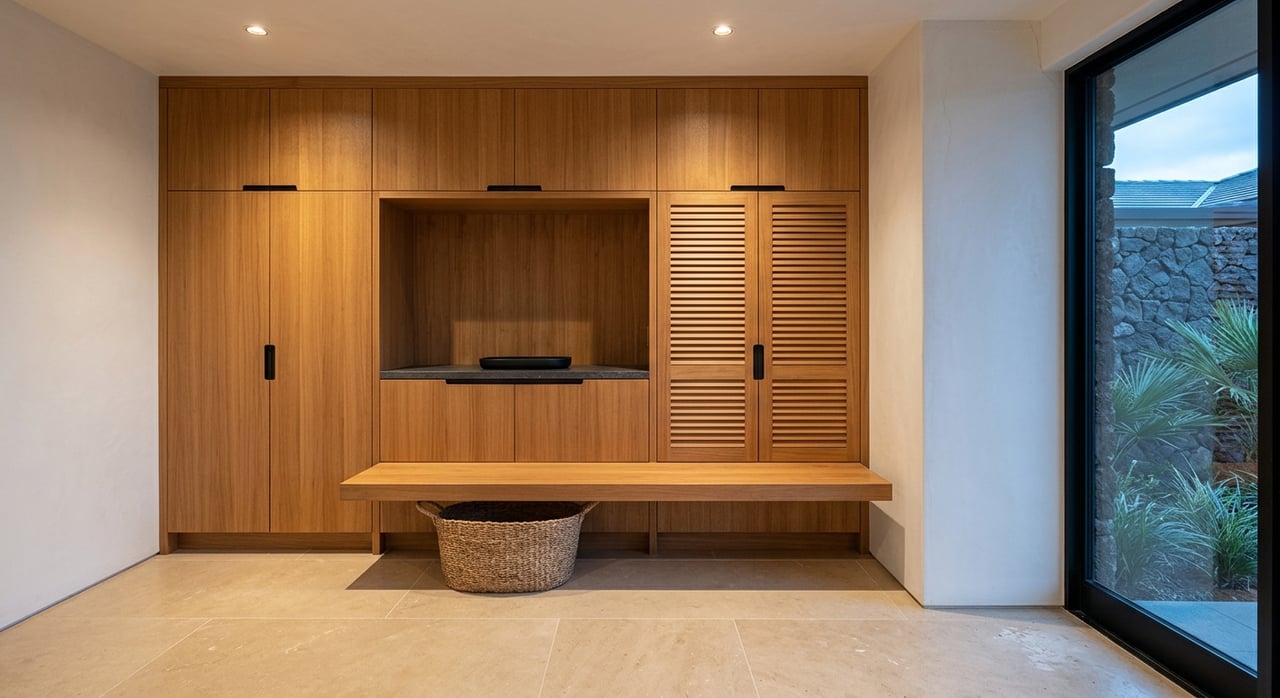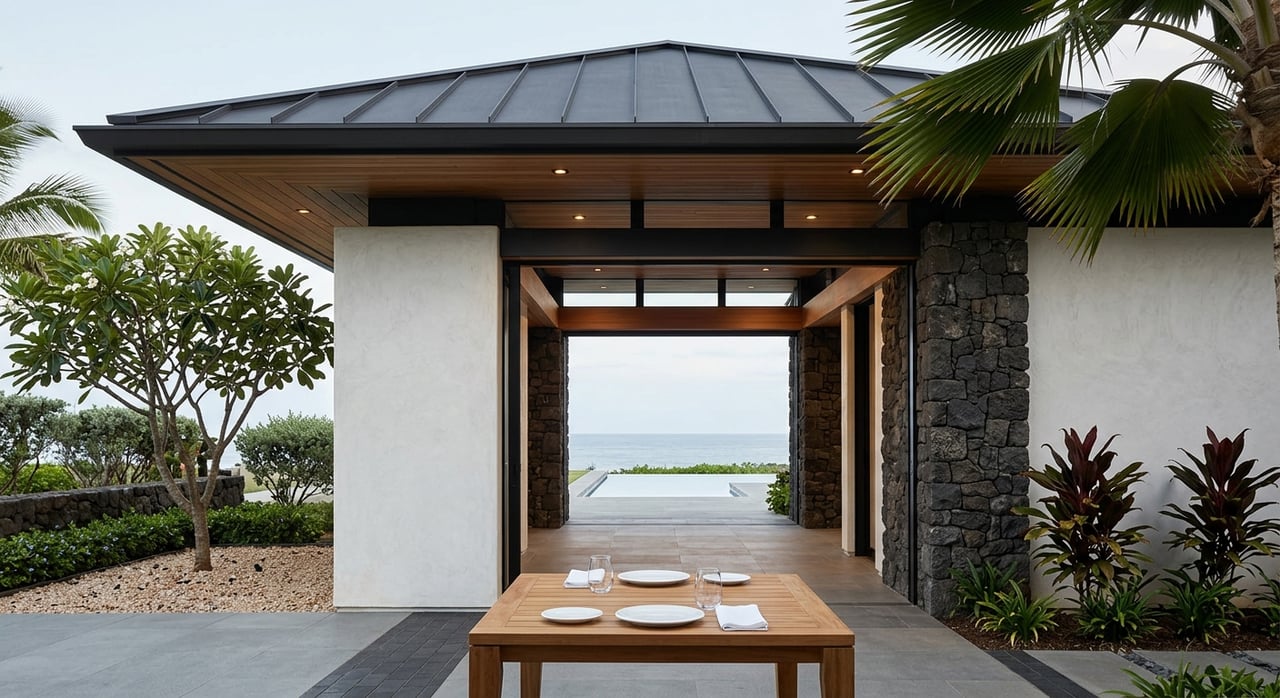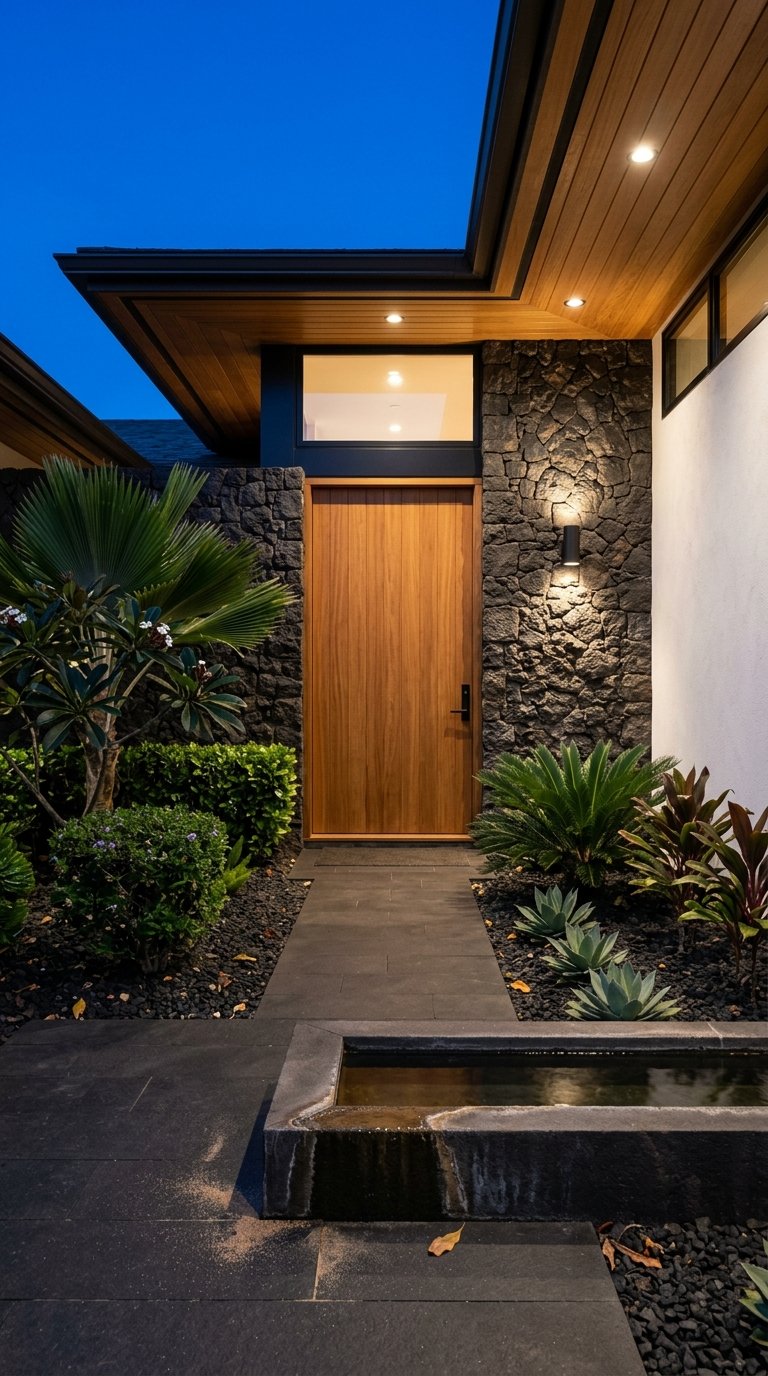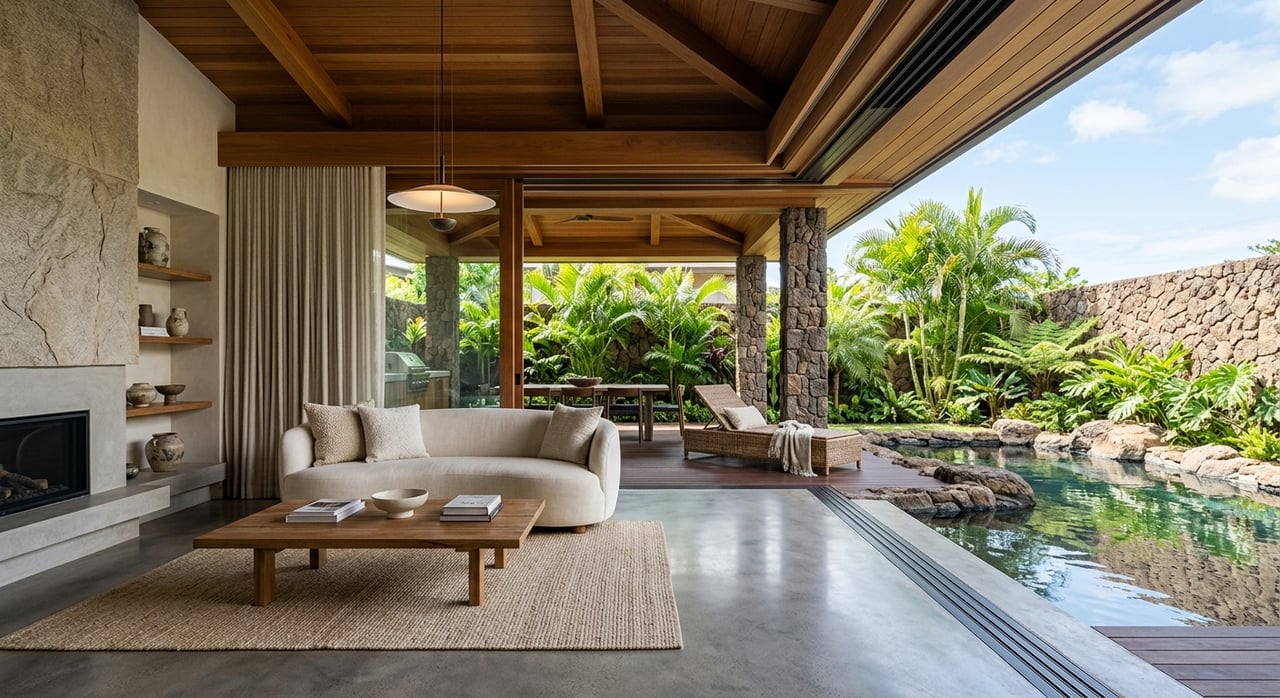
Buying in Kailua-Kona from the mainland can feel exciting and a little unnerving at the same time. A home may photograph beautifully, yet daily comfort here depends on much more than finishes and views. If you want to buy with confidence, you need to understand how location, climate, hazards, utilities, and documents can affect the way a property actually lives. Let’s dive in.
Why Kailua-Kona Buying Is Different
Kailua-Kona is not a market where two homes a short drive apart will necessarily feel the same. NOAA climate normals for the Kona airport station show a mean annual temperature of 78.2°F and annual precipitation of 7.1 inches, while the University of Hawaiʻi Rainfall Atlas shows a distinct rainfall belt upslope of the coast and an afternoon and summer rainfall pattern on west-facing slopes.
For you as a buyer, that means elevation, orientation, and breeze exposure matter in a very real way. One property may feel warm, dry, and sunny, while another may feel cooler, wetter, or breezier, even if both look similar online.
This is also why indoor-outdoor living deserves close attention. In leeward Hawaiʻi, sunny and dry conditions are common, but heavy rain, flash flooding, and high surf can still happen during Kona lows, cold fronts, upper-level lows, and tropical cyclones.
Focus on How the Home Lives
When you tour from afar, try to look beyond the listing presentation. Ask how the home performs on a hot afternoon, after a rain shower, and when the trade winds shift.
Details like lanai shade, airflow, drainage, and sun exposure can shape your day-to-day comfort just as much as square footage. A design-forward eye matters here because the right layout should support both the view and the climate.
Start With the Right Team
Before you tour seriously, line up the people who will help you move quickly and carefully. For most mainland buyers, that means having a local agent, lender, title or escrow officer, inspector, and insurance contact ready before you write an offer.
That preparation matters because Hawaiʻi has a short disclosure timeline. Under Hawaiʻi law, sellers of residential property must provide a disclosure statement within 10 calendar days of acceptance, and buyers then have 15 calendar days to review it and decide whether to rescind.
The law also makes clear that the disclosure is not a substitute for expert inspection or professional advice. In other words, your due diligence plan should be ready before the contract clock starts.
Use a Smarter Virtual Tour Process
Remote buying works best when your showing process is consistent. Instead of relying only on polished photos, ask for live video, uncut room-by-room footage, exterior approach shots, and a second pass through the spaces that matter most to you.
For many buyers, those key areas include the lanai, primary suite, yard, and view corridor. If you are considering a future renovation or a property with strong indoor-outdoor potential, these extra walk-throughs can help you better understand layout flow and usability.
What to Ask During Video Tours
Use the same checklist on every property so your comparisons stay clear.
- How does the home feel in midday heat?
- What happens around the entry, yard, and lanai after rain?
- Is the lanai shaded and functional, or mostly decorative?
- Where do breeze and airflow feel strongest?
- How private are the outdoor spaces?
- What is the approach to the home like from the street or drive?
Treat the Disclosure Period as Decision Time
In Hawaiʻi, the seller disclosure period is not just paperwork. It is a key window for review, verification, and decision-making.
Once you receive the disclosure statement, treat it as a starting point rather than the final word. Use that period to schedule inspections, review property documents, and raise follow-up questions while you still have room to make an informed choice.
For mainland buyers, speed and organization are essential. If you wait until after acceptance to build your plan, you may lose valuable time in a short review window.
Verify the Parcel, Not Just the Listing
A great presentation can never replace parcel-specific due diligence. Before removing contingencies, confirm the details that affect livability, cost, and long-term value for that exact address.
In Kailua-Kona, this often includes hazard exposure, utility setup, wastewater type, permit history, and any community or condominium documents. These are not small technicalities. They can shape your ownership experience from day one.
Check Hazards and Coastal Rules Early
For coastal and low-lying property, review flood, tsunami, shoreline access, and shoreline setback issues early. The County of Hawaiʻi provides hazard and atlas tools that help residents review parcel-specific layers, and the county’s Special Management Area resources point buyers to coastal hazard, sea level rise, flood zone, ecosystem, and land-cover information.
If you are looking at oceanfront or shoreline-adjacent property, remember that shoreline access in Hawaiʻi is a land-use issue, not just a lifestyle feature. The Department of Land and Natural Resources says shoreline public access and beach transit corridors are protected, and coastal landowners must keep seaward vegetation from blocking access.
For flood review, FEMA’s Flood Map Service Center is the official online source for flood maps. For tsunami awareness, HIEMA says evacuation zones are a guideline and should be treated as the minimum safe evacuation distance, with red zones requiring evacuation during any tsunami warning.
If you are considering mauka or inland parcels, lava-flow hazard should also be part of your review. USGS notes that lava-flow hazard boundaries are approximate and gradational, which makes them useful for planning but not as a precise property line.
Confirm Water, Wastewater, and Utilities
Never assume utility service is standard across properties in West Hawaiʻi. The County of Hawaiʻi Department of Water Supply manages county waterworks through 23 systems, while the state notes that some Hawaiʻi communities are served by private water or wastewater utilities.
That means you should verify whether a property uses county water, a private utility, a well, catchment, or another setup. This can affect reliability, maintenance, and ownership costs.
Wastewater deserves special attention as well. Hawaiʻi Department of Health states that new cesspools are prohibited and existing cesspools must be converted by 2050.
Because the Big Island has nearly 50,000 cesspools, this should be one of your first questions on a remote purchase. The Department of Health also says there are currently no ongoing cesspool conversion reimbursement programs, so you should not assume grant assistance will be available.
Review Condo and Community Documents Carefully
If you are buying a condominium, the document review matters just as much as the floor plan and view. The state says the declaration and bylaws govern permitted and prohibited uses, board powers, late fees, pets, insurance requirements, and meeting procedures.
House rules usually cover day-to-day issues such as quiet hours and guest parking. These documents can have a direct impact on how you use and enjoy the property.
The state also says the title report is indispensable for identifying easements, covenants, conditions and restrictions, agreements, and liens that may affect value. For older projects, the state warns that some files may be out of date, so current recorded documents should come from the Bureau of Conveyances or the association.
Keep Communication Organized
Mainland buyers usually feel most confident when communication is simple and structured. One person should own the main communication thread, one folder should hold photos and documents, and every open issue should be logged in writing with a date and next step.
This approach helps you stay calm and clear during a fast-moving timeline. It also reduces the chance of learning something important only after your travel has ended or contingencies are close to removal.
Ask for Written Confirmation
Before you commit to an offer or remove contingencies, ask your on-island team to confirm these items in writing:
- Hazard profile for the parcel
- Water source and utility setup
- Wastewater system type
- Permit status or known permit history
- Condo or community document package, if applicable
Written confirmation creates a cleaner decision trail and makes it easier to compare one property against another.
A Simple Roadmap for Mainland Buyers
If you want a practical way to approach the process, keep it simple and sequential.
Step 1: Build your team
Choose your local agent and line up lending, title or escrow, inspection, and insurance contacts before touring seriously.
Step 2: Tour with one checklist
Use the same virtual tour questions on every home so you can evaluate comfort, layout, and livability in a consistent way.
Step 3: Move fast during disclosure review
Treat the disclosure period as your active investigation window, not as a formality.
Step 4: Verify parcel details
Check hazards, utilities, wastewater, permit history, and community documents for the specific address.
Step 5: Do a final remote walk-through
Before closing, confirm repairs, systems, and any unresolved questions with a final verification.
Confidence Comes From Clarity
Buying in Kailua-Kona from the mainland does not need to feel uncertain. The key is to look closely at how a property lives, understand the location-specific factors that affect ownership, and stay organized during due diligence.
With thoughtful guidance, clear communication, and careful parcel-level review, you can make a confident decision that supports both your lifestyle and your long-term goals. If you are planning a purchase in West Hawaiʻi and want calm, detail-driven guidance, connect with Leslie Oxley-Friedrich for an informed, design-minded approach to your Kona Coast search.
FAQs
What should mainland buyers know about Kailua-Kona microclimates?
- In Kailua-Kona, properties can have very different sun, rain, wind, and temperature patterns based on elevation and orientation, so two nearby homes may live very differently.
What is the Hawaiʻi residential seller disclosure timeline for mainland buyers?
- Under Hawaiʻi law, sellers must provide the residential disclosure statement within 10 calendar days of acceptance, and buyers then have 15 calendar days to review it and decide whether to rescind.
What hazard maps should Kailua-Kona buyers review before closing?
- Depending on parcel location, buyers should review county hazard tools along with flood, tsunami, shoreline, and lava-flow information relevant to the specific property.
What utility questions should mainland buyers ask about Kailua-Kona homes?
- Ask whether the property uses county water, a private utility, a well, catchment, or another setup, and confirm the wastewater system as early as possible.
What condo documents matter for Kailua-Kona condominium buyers?
- Condo buyers should carefully review the declaration, bylaws, house rules, and title report because these documents can affect use, pets, parking, insurance, fees, and property value.