If you want a Kona Coast home you can enjoy without turning every departure into a checklist marathon, Kohanaiki deserves a close look. For many second-home buyers, the goal is simple: arrive, settle in fast, and leave with confidence when it is time to head back to the mainland. At Kohanaiki, that ease comes from both the home itself and the community model around it. Let’s dive in.
Why Kohanaiki Works for Lock-and-Leave Living
Kohanaiki is a private club and residential community on the Kona coast of Hawaiʻi Island, spanning 450 acres with a 1.5-mile shoreline. Owners of real estate are invited for membership to the Club at Kohanaiki, and that club-centered structure matters if you are looking for a part-time residence.
Instead of feeling like an isolated property that requires constant oversight, ownership here is shaped by shared amenities, support, and a self-contained community experience. For buyers who plan to come and go throughout the year, that can make everyday ownership feel more streamlined.
The community’s amenity base is a major part of that appeal. Official community materials describe a 67,000-square-foot clubhouse, an 18-hole Rees Jones-designed golf course with six oceanfront holes, a Beach Club, spa and wellness facilities, an Adventure Team, an organic farm, and two signature restaurants.
When amenities and services are woven into the ownership experience, you may spend less time coordinating your stay and more time enjoying it. That is often the real value behind a lock-and-leave purchase.
Start With the Easiest Property Type
If ease is your top priority, a finished residence is generally a better fit than a homesite. Kohanaiki currently features several residential options, including Hale ʻAlani Phase II and Hale Ka Hala Phase 1, with Hale ʻŌpua noted as coming soon, along with featured homes in ʻŌhi Kai and Hale Maiʻa.
Buildable homesites are also available, but they are usually not the simplest choice for buyers focused on low-friction ownership. Plans for homesites must go through Kohanaiki’s Design Review Committee and follow community architectural guidelines, which adds another layer of planning and timing.
If your goal is to arrive soon and keep ownership straightforward, a completed or near-completed home may offer a clearer path. That lets you focus on layout, storage, privacy, and service support rather than the full design and construction process.
Compare Kohanaiki Home Options
Different home types support different versions of lock-and-leave living. The best fit depends on how you plan to use the property, how often you host, and how much space you want to maintain.
Hale ʻAlani Residences
Hale ʻAlani residences can work well if you want a finished home with garage space, lanai living, and room for guests. Current examples also show that some offerings may come furnished, which can make move-in and setup easier.
For a buyer coming from the mainland, that kind of turnkey setup can remove several layers of coordination. You can spend less time sourcing furnishings and more time evaluating how the home lives day to day.
Hale Ka Hala Townhomes
Hale Ka Hala townhomes may appeal if you want a main residence plus separate guest flexibility. Current descriptions highlight a detached ʻohana, or guest space, above the garage, along with covered lanai areas and pool-spa features.
That layout can be useful if you host adult children, extended family, or friends who appreciate some separation. It may also appeal to buyers who want flexible space without stepping into a much larger primary home.
ʻŌhi Kai and Hale Maiʻa Homes
ʻŌhi Kai and Hale Maiʻa homes are worth considering if you prefer a somewhat smaller footprint with thoughtful indoor-outdoor living. Current property descriptions point to features such as pocket doors, outdoor rooms, storage, detached ʻohana space, and in one case, solar power.
For many part-time owners, a slightly more compact plan can be a smart move. You still get the comfort and flow expected in a luxury Kona Coast home, but with fewer spaces to manage before you leave.
Homesites
Homesites are best for buyers who want to create something custom from the ground up. If that is your vision, Kohanaiki can be compelling, but it is usually a lifestyle-and-design decision rather than the easiest lock-and-leave solution.
If simplicity is the priority today, a finished home often makes more sense. If design control is the priority, a homesite may still be the right long-term fit.
Prioritize Layout Over Square Footage
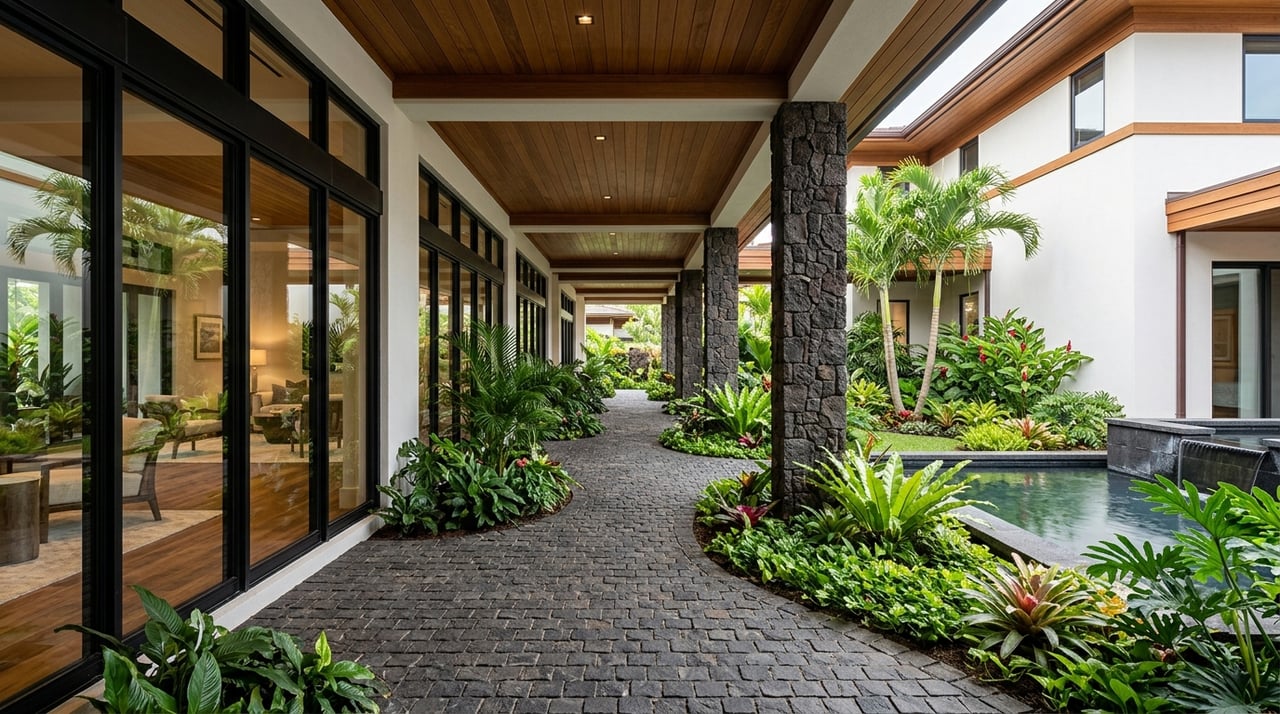
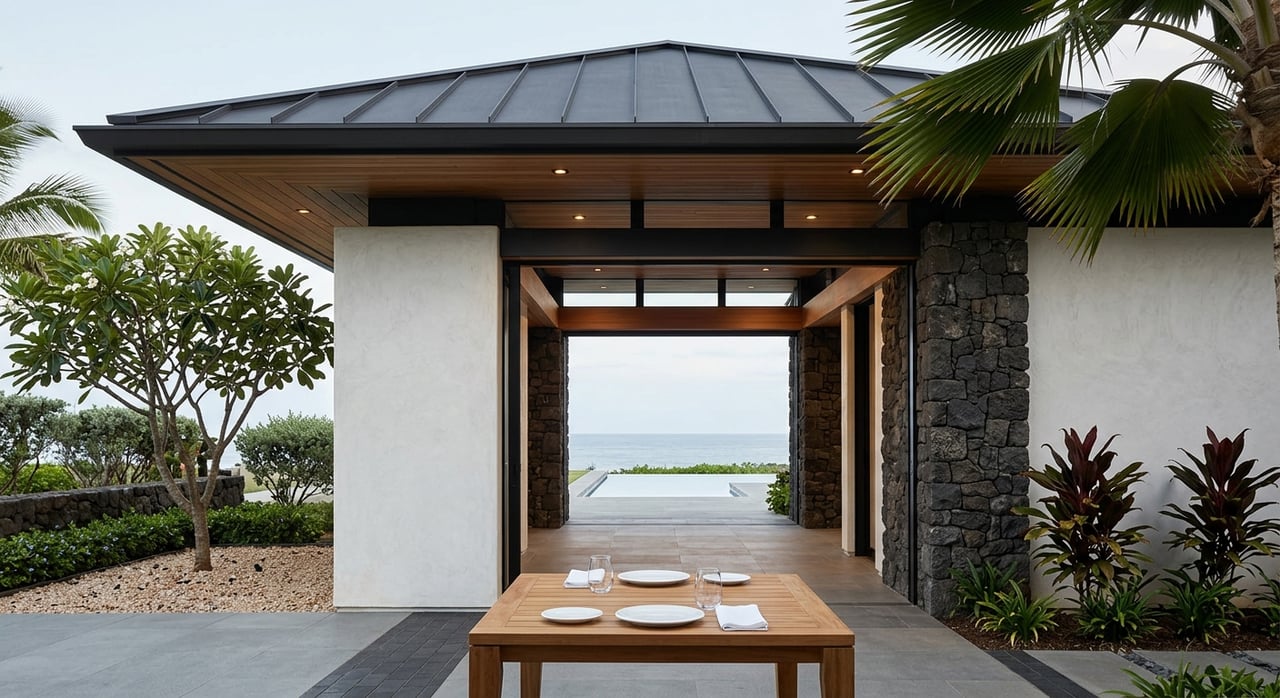
In a lock-and-leave home, layout often matters more than raw size. Many current Kohanaiki listings emphasize open-concept great rooms, vaulted ceilings, sliding or pocket doors, covered lanais, and strong indoor-outdoor flow.
Those features support the way many buyers want to live on Hawaiʻi Island. You arrive, open the home to light and breeze, and settle in quickly without feeling like the house needs a long startup routine.
One-level or easy-flow floor plans can be especially appealing. They often simplify day-to-day use, make guest visits feel natural, and reduce the sense that you are maintaining unused space.
From a design perspective, this is where a home either feels effortless or it does not. The most successful part-time residences tend to feel open when occupied and easy to secure when unoccupied.
Look for Features That Make Departures Easier
A beautiful home is only part of the equation. If you plan to spend part of the year away, practical features can make a big difference every time you leave.
Current Kohanaiki listings highlight several details worth prioritizing:
- Turnkey or furnished offerings
- Low-maintenance landscaping or artificial turf
- Integrated tropical landscaping designed for easier care
- Solar power in some homes
- Easy-care exterior materials
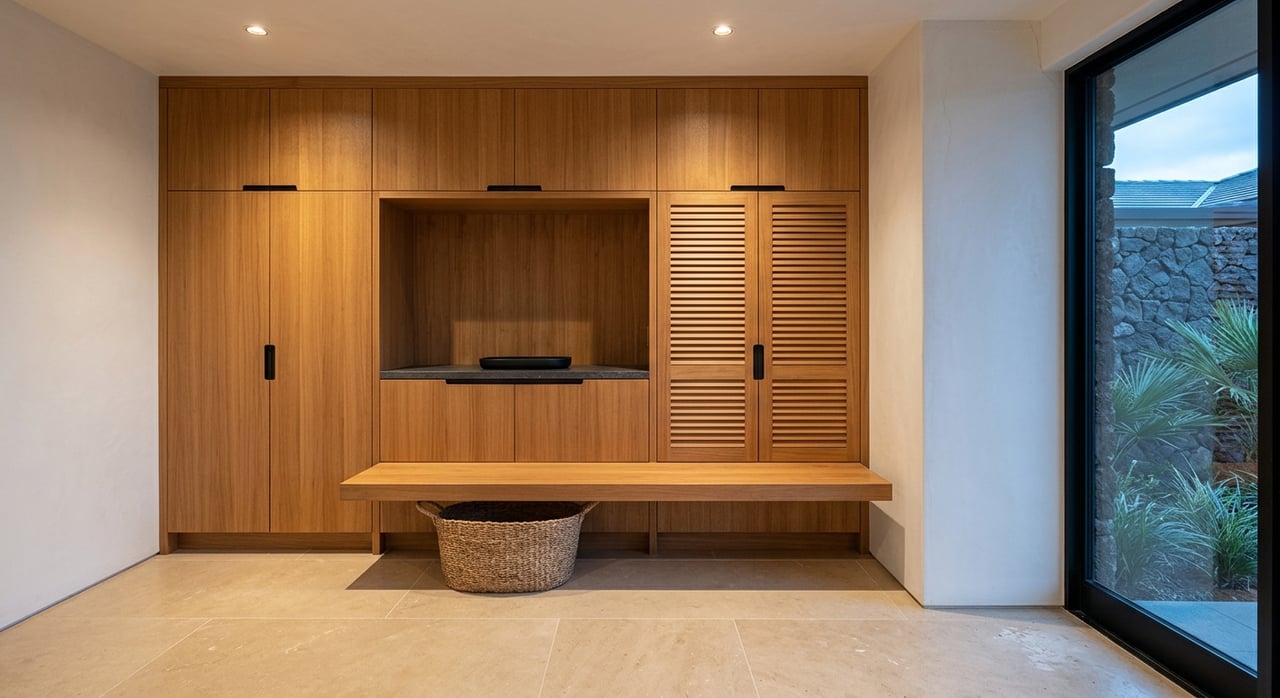
- Walk-in pantries and large closets
- Locked owner closets
- Built-in garage cabinets
- Multiple garage bays
- Covered or detached parking
These details may sound small at first, but they shape your ownership experience. Good storage, for example, can help you leave personal items organized and secure, while lower-maintenance exterior features can reduce the amount of pre-departure planning.
Verify What Is Actually Maintained for You
One of the most important steps in choosing a lock-and-leave property at Kohanaiki is understanding exactly what the association or community structure handles. Current listing materials suggest that maintenance and service models can vary.
That means you should not assume two similar-looking properties come with the same level of exterior care or owner support. Before you decide, ask detailed questions and get clarity on ongoing responsibilities.
Questions to Ask Before You Buy
- What exterior items are maintained by the association?
- What remains the owner’s responsibility?
- Are roofs, paint, landscaping, irrigation, pool or spa care, or trash service included in dues?
- Is there on-site management, concierge support, security, or gated access?
- How is guest access handled when you are off island?
- If you are considering a homesite, what design review timeline and approval steps apply?
These questions can help you compare homes more accurately. In a lock-and-leave purchase, the right support structure can matter just as much as the home’s finishes or view orientation.
Think About Arrival Experience Too
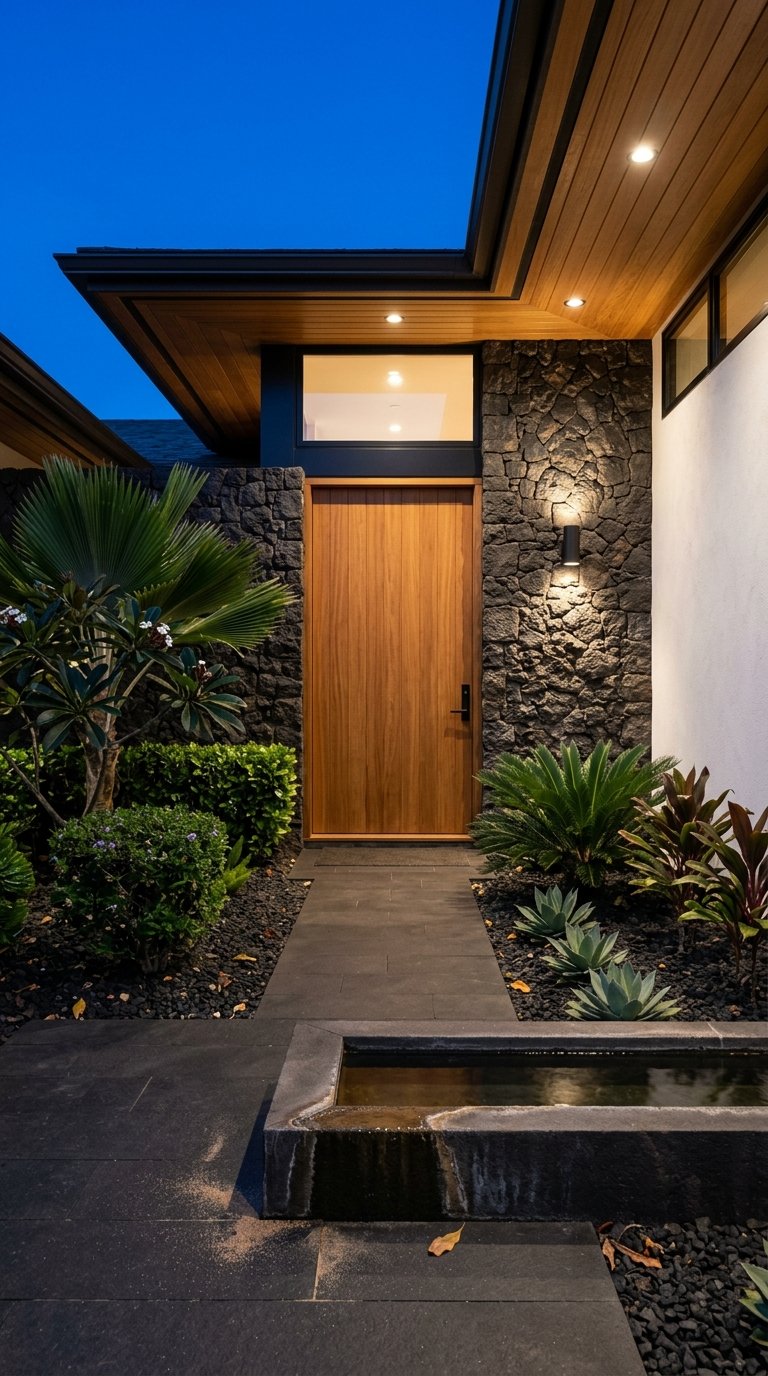
Most buyers focus on how easy it is to leave a property, but the arrival experience matters just as much. A strong lock-and-leave home should feel simple to re-enter after weeks or months away.
At Kohanaiki, some neighborhood descriptions note that the ʻOhana Pool and Beach Bar are a short golf-cart ride away. That kind of close-in amenity access supports shorter stays because you can settle into your routine quickly without a lot of extra planning.
The broader club environment also reinforces that ease. With amenities such as dining, wellness, recreation, and beach access within the community, your time on island can feel more seamless from day one.
Match the Home to How You Will Really Use It
The best Kohanaiki lock-and-leave home is not always the largest or newest option. It is the one that best supports your actual rhythm of use.
If you visit for long holiday stretches with family, you may want guest space, garage storage, and a flexible layout like Hale Ka Hala or a larger Hale ʻAlani residence. If you prefer shorter, frequent stays centered on golf, beach time, and easy indoor-outdoor living, a more compact ʻŌhi Kai or Hale Maiʻa home may feel more natural.
This is where a design-forward evaluation becomes especially useful. You want to look beyond square footage and focus on circulation, privacy, storage, how the lanai connects to the great room, and how quickly the home can shift from arrival mode to departure mode.
A Smart Lock-and-Leave Strategy at Kohanaiki
If you want the simplest ownership path at Kohanaiki, there is a practical framework to follow. Start with finished residences, prioritize compact or one-level plans, look closely at storage and parking, and confirm exactly which maintenance items are covered.
From there, compare how each property supports your lifestyle. Some buyers want true turnkey convenience, while others want more guest flexibility or a design opportunity for the future.
At Kohanaiki, the strongest lock-and-leave choices are not defined by one floor plan alone. They are defined by the combination of a well-designed residence, manageable upkeep, and a community model built around shared amenities and support.
If you are weighing Kohanaiki against other Kona Coast communities, or narrowing down which property type best fits your time on island, working with an advisor who understands layout, lifestyle flow, and community structure can make the process much clearer. When you are ready to explore the right fit, connect with Leslie Oxley-Friedrich.
FAQs
What makes a Kohanaiki home good for lock-and-leave living?
- The strongest fit usually combines a finished residence, manageable layout, useful storage, lower-maintenance features, and clear community support for exterior care, security, and arrival logistics.
Are homesites at Kohanaiki a good choice for part-time buyers?
- Homesites can be a strong long-term option if you want a custom home, but they are generally less simple than buying a finished residence because designs must go through Kohanaiki’s review process and follow community guidelines.
Which Kohanaiki property types are easiest to manage?
- Finished residences such as Hale ʻAlani, Hale Ka Hala, ʻŌhi Kai, and Hale Maiʻa are often the easiest starting point because they let you focus on use, storage, and maintenance rather than planning a build.
What should you ask about maintenance at Kohanaiki?
- Ask what the association maintains, what the owner handles, and whether items such as landscaping, irrigation, roofs, paint, pool or spa care, trash service, security, and concierge support are included.
Why does layout matter in a Kohanaiki lock-and-leave home?
- Layout affects how easily you can open the home when you arrive and secure it when you leave, which is why open great rooms, one-level living, pocket doors, and efficient indoor-outdoor flow are so valuable.
How do Kohanaiki amenities support part-time ownership?
- The club-centered model, along with the clubhouse, golf, Beach Club, dining, wellness spaces, and nearby neighborhood amenities, helps make shorter stays feel easier and more self-contained.